
AP
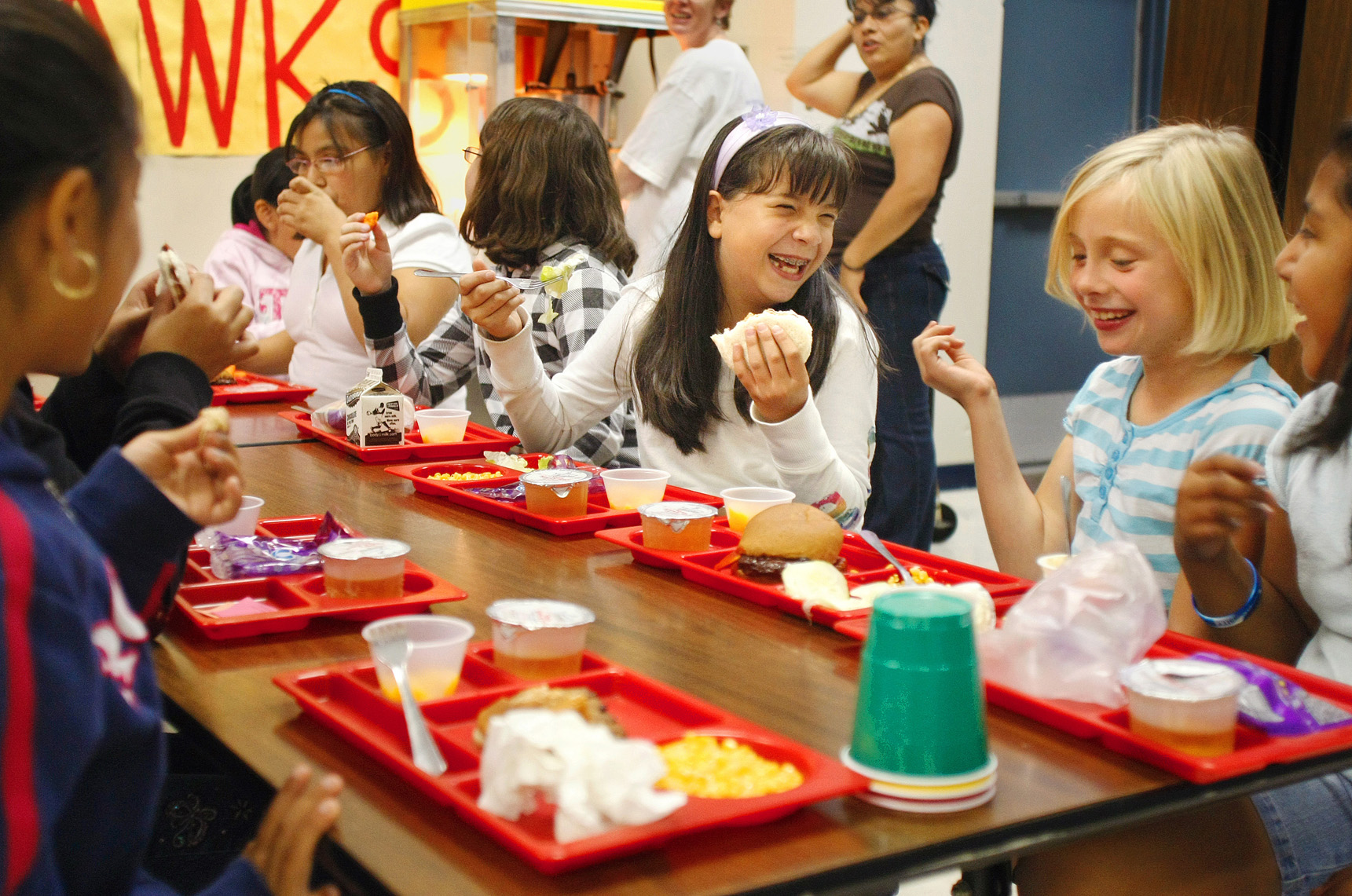
Thousands more children would eat lunches and dinners at school and all school food would become more nutritious under a bill President Barack Obama signed into law Monday, part of an administration-wide effort to combat childhood obesity.
“At a very basic level, this act is about doing what’s right for our children,” Obama said before signing the bill. The ceremony was moved from the White House, where most signings are held, to an elementary school in the District of Columbia to underscore the point.
Besides Obama, the bill also was a priority for his wife, Michelle, who launched a national campaign this year against childhood obesity.
“We can all agree that in the wealthiest nation on earth all children should have the basic nutrition they need to learn and grow and to pursue their dreams,” said Mrs. Obama.
The $4.5 billion measure increases the federal reimbursement for free school lunches by 6 cents a meal at a time when many school officials say they can’t afford to provide the meals. The bill will also expand access to free lunch programs and allow 20 million additional after-school meals to be served annually in all 50 states. Most states now only provide money for after-school snacks.
The new law aims to cut down on greasy foods and extra calories by giving the government power to decide what kinds of foods may be sold on school grounds, including in vending machines and at fundraisers. While the government has long had nutrition requirements for the free and reduced cost meals it subsidizes, the bill would expand those requirements to cover all foods sold during school hours. It does not apply to after-school events.
The USDA has a year to write rules that decide how frequent is infrequent.
Supporters say the law is needed to stem rising health care costs due to expanding American waistlines and to feed hungry children in tough economic times. Mrs. Obama cited a group of former generals and military officials who have said unhealthy school lunches are a national security threat because weight problems are now the leading medical reason that recruits are rejected.
She said it is ultimately the responsibility of parents more than anyone else to make sure their children eat right and get enough exercise, but that government has a role to play, especially when children spend so much of their time each day at school and when many of them get up to half their daily calorie intake from eating school meals.
“It’s clear that we, as a nation, have a responsibility to meet as well,” she said. “We can’t just leave it to the parents. I think that parents have a right to expect that their efforts at home won’t be undone each day in the school cafeteria or in the vending machine in the hallway.”
Popular foods like hamburgers and pizza will likely stay on school lunch lines but become healthier, made with leaner meat or whole wheat crust, for example. Vending machines could be stocked with less candy and fewer high-calorie drinks.